Pastels
26 products
  • Caran d'Ache + Beya Rebaï

    Caran d'Ache + Beya Rebaï

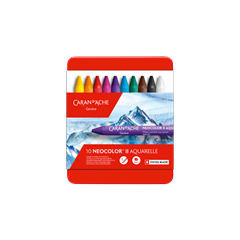
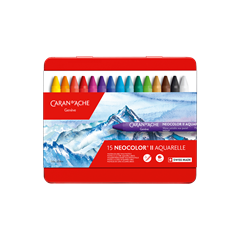
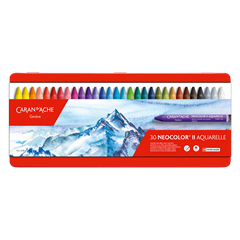
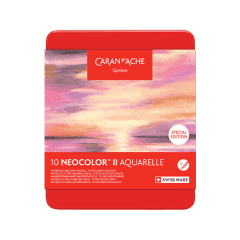
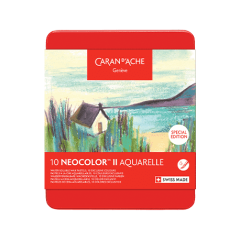
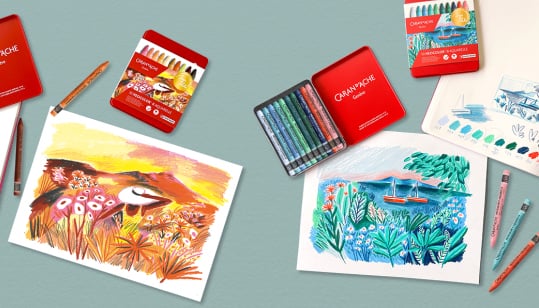
    The artist and Caran d’Ache have joined forces to dream up two assortments of 10 Neocolor® II Aquarelle pastels. One in cold shades, playing on a range of blues, greens and pinks. The other in warmer tones with a range of yellows, oranges and umber.

    Discover
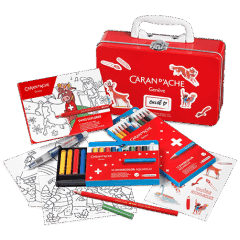
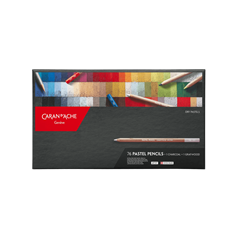
  • From fashion designers to children's illustrators, pastels are an important bit of kit for many artists working today. Did you know that it wasn't until the mid-19th century, and the rise of Impressionist painting, that working with pastels was considered fine art?
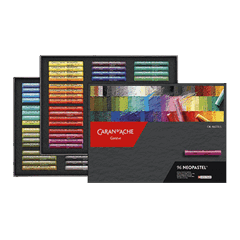
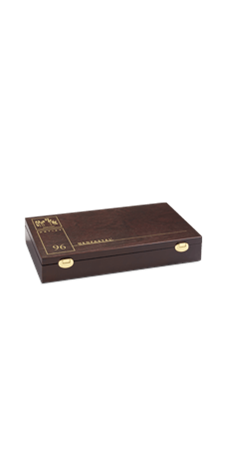
    At Caran d'Ache, our dry, oil, and wax pastel formulations have remained the same since their introduction in 1952. That's how confident we are in their performance. There's also our Neopastel™ range with 96 shades to choose from.
    But with so many options available, where do you start if you haven't used them before? We've put together a quick guide to help you out. Learn more about pastels, their different effects, and answers to frequently asked questions here.


    How to Choose Your Pastels?


    What type of pastel you choose depends on the finish you want to achieve, the surface you use and what sort of techniques you like to use. Here's a quick primer on the main types of pastels and what to expect.


    Dry Pastels


    Chosen for their powdery, velvety finish, dry pastels are perfect for subtle gradients and creating texture. They are particularly suited to portraits, landscapes, and works that require finesse and blending.


    Oil Pastels


    Richer and creamier, oil pastels offer excellent coverage and intense colour. Their texture allows you to work with thick layers and build up the colour to create bold, expressive effects.


    Wax Pastels


    Versatile and durable, wax pastels are popular because they're easy to use. They are equally suited to flat areas and fine details, and allow you to explore a variety of techniques, particularly mixed media or watercolour-like effects.
    Still need a little help figuring out which pastels to choose? Learn how to choose your pastels here.


    Caran d'Ache's Pastels


    Available in three types - dry, oil, and wax - our pastels come in a kaleidoscope of colours that can be used across a wide range of surfaces, including paper, canvas and card. Pick them up either in a set or a box, and get creating!


    Neocolor™ Oil Pastels


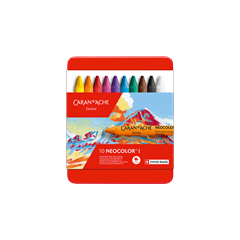
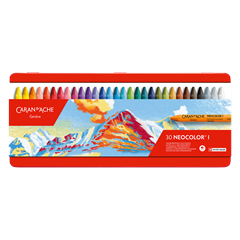
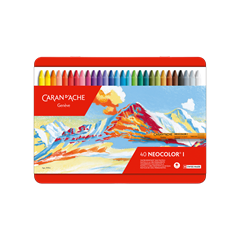
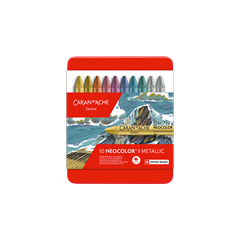
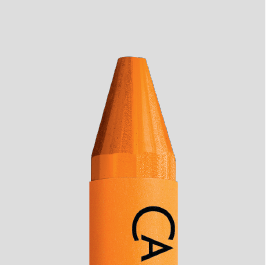
    Our Neocolor™ I oil pastels come in 50 colours, including 10 metallic shades. These water-resident pastels offer unmatched coverage and luminosity. Their cylindrical stick design allows them to be sharpened to a point, making them suitable for both precise work and broad strokes.


    Neocolor™ II Aquarelle Oil Pastels


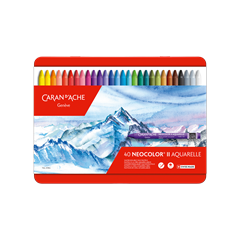
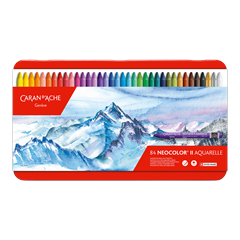
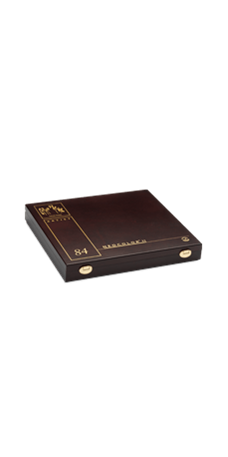
    Available in 84 shades, the number of Neocolor™ II Aquarelle oil pastels is something you won't find anywhere else. These pastels can be used for both dry and wet techniques, and like other Necolor™ pastels, come in an easy-to-use cylindrical design.


    NEOART™ 6901: New Generation Wax Pastel


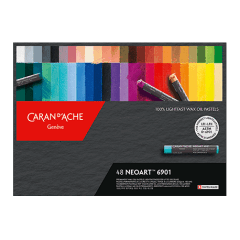
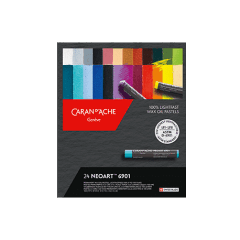
    Designed for professionals, our Neoart™ 6901 is our newest generation of wax pastels. Expect unparalleled pigment concentration, offering intense, deep, and long-lasting colours. Unlike traditional pastels, Neoart™ 6901 are resistant to water, light (for up to 100 years) and solvents, meaning they'll perform consistently over time.
    Enjoy a rich texture that can be used for both precise detail work and large areas, with optimal adhesion on a wide range of surfaces. Available in sets of 12, 24 or 48 colours, these wax pastels open up a whole new world of creative possibilities.


    Neopastel™ Soft Oil Pastels


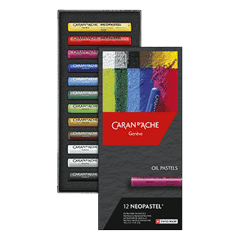
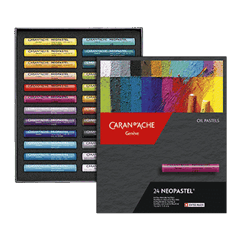
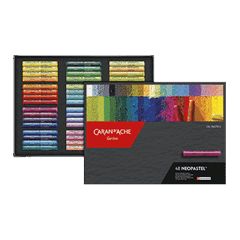
    With over 96 colours, the Neopastel™ oil art pastel range has all the shades you need covered. These fine art pastels can be used on a variety of surfaces and offer excellent coverage.


    Dry Pastel Pencils


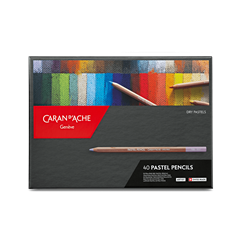
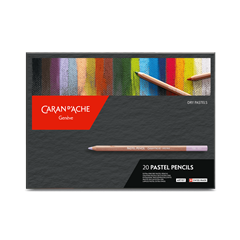
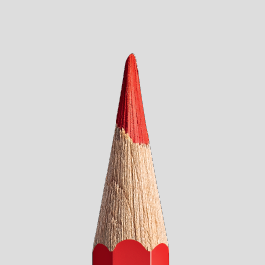
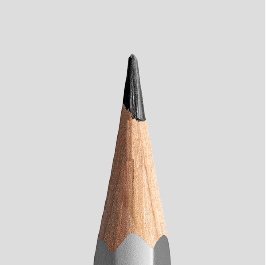
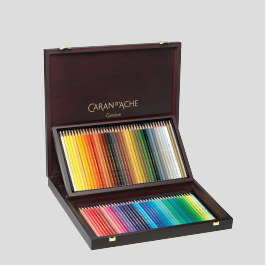
    Our Pastel Colour Pencils  - a combination of dry pastel and colour pencil - are a fantastic option for both professionals and budding artists, thanks to their exceptional lightfastness and easy-to-use design. Their broad lead allows flat colour application and generous blending, with 84 different shades to choose from.
    Pastel drawing: which colour pencils and techniques should you use?


    Proudly Made in Switzerland


    Since 1952, Caran d'Ache pastels have been manufactured in our workshops in Geneva. Our internationally renowned master pastel artists combine highly pigmented colours and high-quality binders, resulting in quality that you just won't find anywhere else.
    Such is the quality of our pastels, specifically our Neocolor™ wax and Neopastel™ oil ranges,  that they're considered fine art mediums. You can trust that our pastels will deliver time after time.


    What Our Pastels Can Do


    The high pigment concentration of Caran d'Ache pastels makes them an exceptional art medium. Neocolor™ I pastels, in particular, can be used on a wide range of surfaces, including paper, card, canvas, glass, wood, leather, and fabric.
    Colours can be layered with Neocolor™ I or blended like watercolours with Neocolor™ II. The possibilities with these are truly endless.


    FAQ - Frequently asked questions about pastels


    What is the difference between a dry pastel and an oil pastel?


    Dry pastels offer a powdery finish, ideal for gradients and subtle effects, whilst oil- and wax-based pastels provide more intense colours, better coverage, and a richer texture.


    Which type of pastel should I choose to start with?


    Wax pastels are often recommended for beginners due to their ease of use and versatility. Dry pastels are also suitable for learning blending and smudging techniques.


    Can pastels be used on different surfaces?


    Yes, pastels can be used on a wide variety of surfaces such as paper, canvas, wood, glass or fabric. However, this all depends on the type of pastel chosen - some are more suitable for certain surfaces than others.


    Are Caran d'Ache pastels suitable for professional artists?


    Thanks to their high pigment concentration and excellent lightfastness, Caran d'Ache pastels easily meet the needs of professional artists, whilst remaining accessible to beginners and hobbyists.


    How should you preserve your pastel drawings?


    We recommend using a suitable fixative to protect works created with dry pastels. Oil pastels, on the other hand, offer better natural durability over time.

    popin_mailing
    Let’s stay in touch
    Subscribe to our newsletter and benefit from a 10% discount on your next order.